

In a rapidly moving world in which stress and distractions are inevitable, grasping the neuroscience of happiness becomes crucial for nurturing a healthy brain and enhancing our overall well-being. Our brain is not just a complex organ; it is the hub of our thoughts, emotions, and actions. As we age, maintaining peak brain health is crucial not only for memory and cognitive function but also for our emotional resilience and happiness.
This article delves into different aspects of brain health that can help you enhance your mental clarity and emotional stability. From simple daily habits that can make a notable difference to the foods that have been proven to enhance memory, we will explore practical strategies for maintaining your brain sharp and vibrant at any age. By grasping the science behind brain health and longevity, you can empower yourself to make informed choices that lead to a happier, healthier mind. Whether you are seeking effective ways to reduce stress, improve your sleep quality, or engage in brain-boosting activities, this article offers the insights and tools you need to care for your brain and improve your well-being.
Routine Activities for Brain Health
Adding simple daily habits into your routine can considerably enhance cognitive function and holistic health. One efficient practice is maintaining a consistent sleep routine. Quality sleep plays a key role in brain activities such as memory retention, problem-solving, and emotional regulation. Aim for 7 to 9 hours of sleep each night to allow your brain to rest and revitalize.
Diet also plays a pivotal role in promoting brain health. Including brain-boosting foods, such as fatty fish rich in healthy fats, berries full of packed with antioxidants, and green vegetables, can help enhance recall and cognitive function. Staying well-hydrated is equally important; insufficient water intake can harm concentration and clear thinking. Make it a habit to drink plenty of water throughout the day to keep your brain functioning optimally.
An additional essential habit is consistent physical exercise. Engaging in physical exercise not only enhances heart health but also promotes neuroplasticity, the brain's ability to form fresh links. Aim for at least 150 minutes of moderate aerobic workouts per week, complemented by weight training. Even quick walks or basic stretching can enhance your mood and mental performance, making exercise a vital component of a cognitive-friendly lifestyle.
Nutrition and Cognitive Health
The meals we consume play a crucial role in shaping our mental health and cognitive function. Healthy diets that feature a variety of fruits, vegetables, whole grains, and good fats are associated to improved brain performance. Items high in antioxidants, such as berries, help combat oxidative stress, while omega-3 fatty acids found in oily fish and walnuts are crucial for brain cell structure and operation. Incorporating https://sims-moore-2.hubstack.net/slumber-and-cognitive-ability-this-vital-link-that-you-must-not-overlook into diets can boost memory and support overall cognitive longevity.
Some nutrients are particularly beneficial for sustaining optimal brain function. B vitamins, particularly B12, are essential for energy production and the synthesis of neurotransmitters, which are vital for transmission between brain cells. Additionally, vitamin E and flavonoids have been shown to promote brain health by improving blood flow and reducing inflammation. Krill Oil in these vitamins and minerals not only adds to improved memory but also helps in the avoidance of neurodegenerative diseases.
Hydration is another key component of brain health that should not be overlooked. Even slight dehydration can hinder cognitive functions, including concentration and memory. Keeping well-hydrated aids in maintaining optimal brain function and helps to assist the transportation of nutrients necessary for cognitive tasks. By focusing on nutrient-dense foods and proper hydration, individuals can make significant improvements in enhancing their brain’s performance and overall well-being.
The Influence of Living Habits on Cognitive Longevity
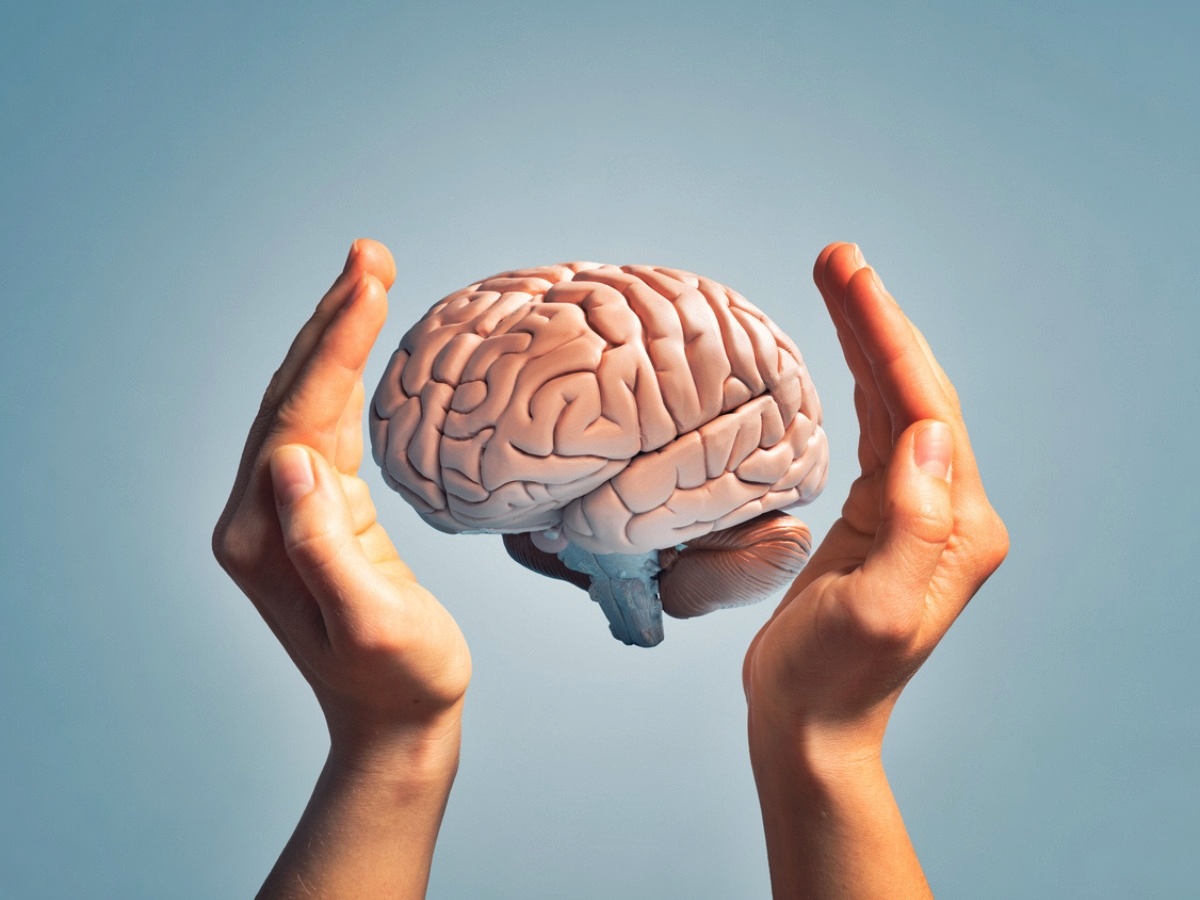
A holistic lifestyle significantly contributes to neural lifespan, impacting brain function and memory preservation. Engaging in regular physical activity not just improves blood flow to the brain but also promotes neurogenesis, which is the formation of new neurons. Exercise has been shown to reduce the risk of neurodegenerative diseases and enhance overall brain health at every age. Adding even simple activities like walking, dancing, or yoga can have deep effects on mental clarity and emotional well-being.
Diet plays a crucial role in brain health, as the foods we consume directly impact our brain performance. Diets rich in omega-3 fatty acids, antioxidants, and vitamins provide essential nutrients for brain maintenance. Foods such as fatty fish, berries, leafy greens, and nuts have been proven to improve recall and cognitive performance. Making mindful choices about what we eat can create a robust foundation for long-lasting brain health, ultimately aiding in the preservation of mental sharpness as we get older.
In addition, social interactions and mental stimulation are important components of a brain-healthy lifestyle. Participating in meaningful conversations, joining group activities, and nurturing relationships can strengthen neural connections, enhancing cognitive resilience. Mental exercises such as puzzles or learning new skills also promote brain health by challenging the mind. Together, these lifestyle habits foster an environment favorable to brain longevity, helping individuals maintain cognitive vitality well into their golden years.