

In today's dynamic society, the value of preserving brain health has become increasingly paramount. While Brain Health progress through our lives, we often prioritize our bodily well-being, but our mental capabilities warrants equal focus. Research has consistently shown that our everyday lifestyles, including exercise, eating habits, and including our interpersonal relationships, perform a key role in supporting neurological health. By understanding and implementing easy tactics, we can enhance our cognitive abilities, improve our concentration, and even lessen the chances of neurological deterioration as we get older.
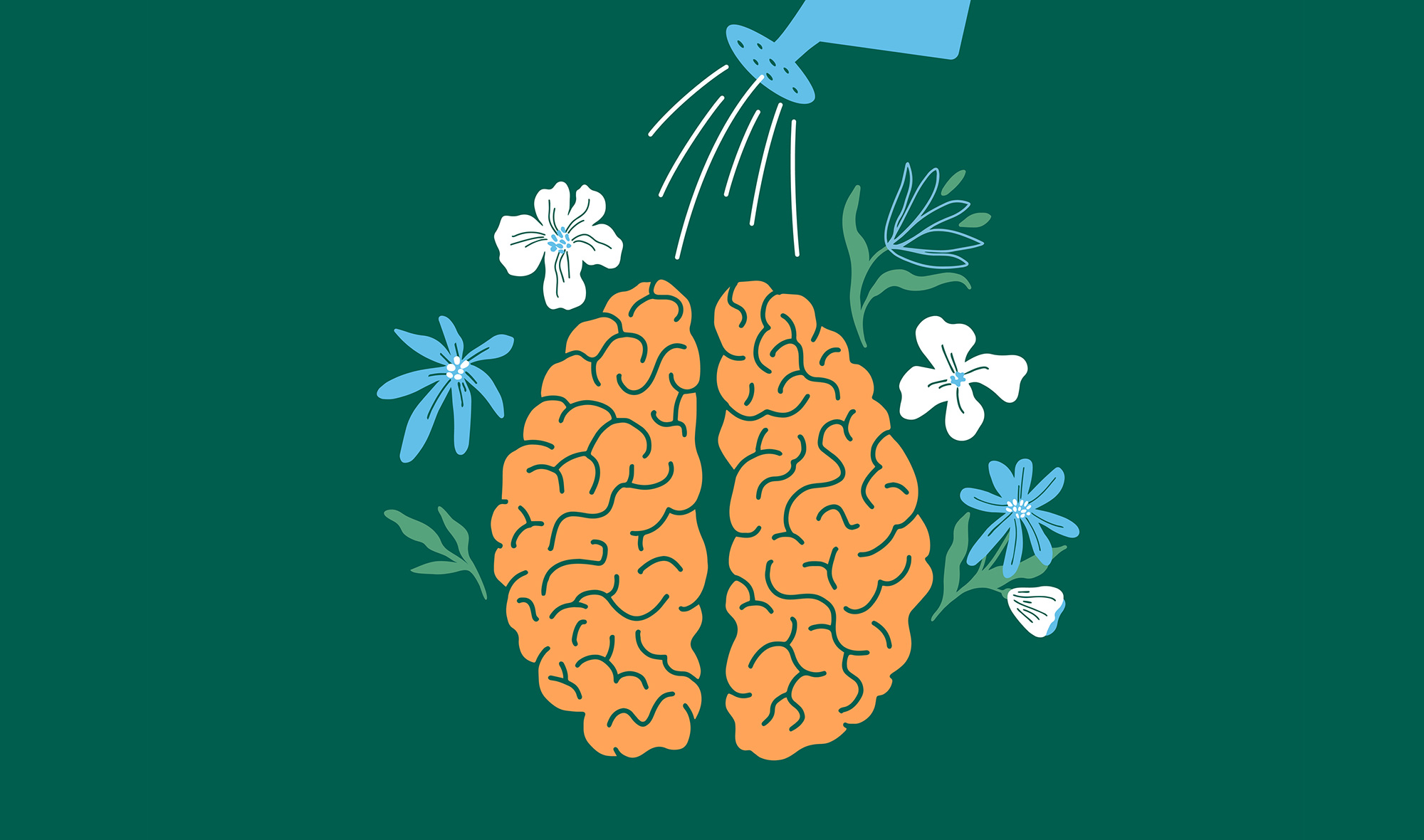
One of the most important ways to improve brain performance is by consistent fitness exercise. Working out has been linked to countless gains for the mind, from better mood and diminished worry to enhanced the brain's ability to adapt, which is necessary for learning and cognitive retention. While we investigate the relationship between exercise and brain health, we'll delve into further elements that influence cognitive wellness, like diet, sleep quality, and socializing. Collectively, these factors help build a comprehensive method to brain well-being that can support us at all ages.
Daily Practices and Diet for Cognitive Health
Integrating simple daily habits can drastically enhance cognitive health. Focusing on consistent physical activity is crucial, as exercise increases blood flow and stimulates the growth of new neurons, which in turn improving memory and mental function. Strive for at least 30 minutes of mild exercise most days of the week. Furthermore, engaging in cognitive-enhancing activities, such as puzzles, reading, or learning a new skill, can stimulate cognitive development and keep your mind focused.
Diet plays a critical role in brain function and overall health. Eating a balanced meal plan rich in fruits, veggies, whole grains, and good fats can provide the crucial nutrients needed for optimal brain performance. Foods like oily fish, berries, nuts, and leafy greens are particularly beneficial, as they contain antioxidants and omega-3 fatty acids that support brain health and memory. Staying well-hydrated is equally crucial, as even mild dehydration can impair focus and cognitive abilities.
Forming a regular routine that features sufficient sleep is vital for brain health. Sleep allows the brain to consolidate memories and eliminate toxins that accumulate during the day. Try to get 7 to 9 hours of quality sleep each night, and try to maintain a steady sleep schedule by going to bed and waking up at the same time each day. In addition to good sleep hygiene, practicing mindfulness and stress reduction techniques such as mindfulness meditation can greatly enhance mental well-being and mental function.
Workout and Brain Function
Ongoing workouts has been demonstrated to have a profound impact on cognitive function. Engaging in regular physical activity increases blood flow to the brain, which helps nourish neurons and facilitate the growth of new brain cells. This increased blood flow supports multiple cognitive processes, such as memory, attention, and problem-solving skills. Moreover, exercise stimulates the production of proteins that promote neuron health, which are proteins that support neuron survival and growth, further improving brain health.
Additionally, the type of physical activity matters. Cardio exercises, such as running, aquatic exercises, or biking, have been especially effective in enhancing brain function. Research indicate that these activities not only improve emotional well-being and reduce anxiety but also lead to gains in higher-order cognitive skills. This includes planning, structuring, and judgment, which are essential for daily choices and effective functioning in both personal and workplace settings.
Finally, the favorable impacts of physical activity on psychological well-being cannot be ignored. Physical activity is linked to reduced levels of stress and depression, which are crucial for maintaining maximum cognitive functioning. By adding exercise into everyday life, individuals of all ages can experience both immediate and long-lasting benefits for their brain health, contributing to a more focused mind and greater overall well-being.
Mental Well-Being and Lifestyle Factors
The relationship between emotional wellness and lifestyle choices is essential for preserving cognitive health. Regular physical activity has been shown to enhance cognitive function, alleviate anxiety, and improve mood overall. Engaging in Joint Health like hiking, yoga, or movement not just increases energy but also triggers the production of endorphins, which are hormones that help create feelings of happiness and joy. Incorporating movement into daily routines can be a straightforward yet effective habit that contributes to better brain function and strength against mental health issues.
Nutrition plays a key role in cognitive performance. Foods packed in antioxidants, healthy fats, and vitamins are essential for cognitive well-being and memory. Including brain-boosting foods such as salmon, blueberries, nuts, and green leafy vegetables can enhance brain adaptability and reduce the risk of cognitive decline. Creating a balanced diet that promotes cognitive health is an important aspect of living well that can lead to improved mental clarity and long-term mental advantages, making it imperative for individuals of all demographics to prioritize healthy eating.
Social interaction is another important component of emotional health. Interacting with peers, family, and social networks not just fights isolation but also promotes cognitive functions through communication and shared activities. Building strong social connections can support mental stability and provide a support system for encouragement and assistance, improving resilience against stress and worry. Making time for social ties and social activities can greatly contribute to a better mental state and improved cognitive well-being.