

In the modern rapidly evolving world, caring for our brain health has always been crucial. Just like we nourish our bodies with healthy foods and frequent exercise, our brains require specific nutrients, activities, and habits to perform effectively. The relationship between what we eat, how we sleep, and also our social interactions plays a critical role in shaping the quality of our mental health and cognitive longevity. By making easy yet powerful lifestyle changes, we can enhance not only our memory and focus but also our overall well-being.
Research continues to reveal the science behind brain health, providing fascinating insights into how our daily choices influence our cognitive abilities. From the advantages of omega-3 fatty acids found in fatty fish to the positive effects of regular physical activity and sufficient sleep, understanding the right approach to brain nourishment can lead to a sharper, more alert mind. In this article, we will examine various foods demonstrated to enhance brain health, the importance of hydration, and the impact of stress and creativity on mental wellness. Join us as we dive into practical tips and strategies to foster a brain-healthy lifestyle that benefits both individuals and your future.
Dishes for Optimal Brain Function
Eating the right dishes is crucial for ensuring peak brain health and boosting cognitive function. Incorporating nutrient-dense foods such as fatty fish, berries, and leafy greens into your diet can significantly support brain functionality. Fatty fish, like trout and mackerel, are packed in omega-3 fatty acids, which are crucial for building brain cell membranes and support healthy neuronal interactions. Berries, loaded with antioxidants, help reduce oxidative stress and inflammation, which of which are associated to cognitive decline. Leafy greens, like kale and collard greens, provide essential vitamins like vitamin K, which has been proven to protect against cognitive decline.
Nuts and seeds are also fantastic additions to a brain-healthy eating plan. Walnuts, in particular, are a powerhouse of omega-3 fats and antioxidants, making them one of the top brain choices available. Additionally, chia seeds such as flaxseeds and chia seeds offer a great source of both omega-3s and fiber. These nutrient-rich choices not only improve memory and information processing but also support complete brain structure and function. Adding Gut Health of these foods can help ensure your brain has the diverse nutrients it needs to thrive.
Ultimately, don’t overlook the importance of hydration for brain health. Dehydration can lead to cognitive dysfunction and reduced concentration. Drinking enough water helps maintain optimal brain function and keeps your mind clear. Pairing these food options with a balanced diet can significantly contribute to improved memory and cognitive longevity. By valuing these foods, you can feed your mind and promote a better brain.
Lifestyle Habits to Improve Cognitive Performance
Incorporating basic everyday practices can substantially improve cognitive function. An effective method is to engage in regular physical activity, which improves blood flow to the brain and promotes the growth of additional brain cells. Try to at least 150 min of medium cardiovascular exercise per week, complemented by strength workouts. Furthermore, activities that blend movement with cognitive engagement, such as dancing or team sports, can additionally boost cognitive function.
Diet also has a key role in enhancing brain function. Foods high in omega-3 Fatty Acids, antioxidant compounds, and vitamins, such as oily fish, fruit, and leafy greens, have been shown to improve recall and cognitive ability. Drinking enough water is equally important; even mild lack of hydration can impair focus and alertness. Make a habit of consume enough fluids during the day to support peak cognitive function.
Another key aspect to note is the standard of rest. Prioritizing good sleep patterns can greatly enhance cognitive function, memory retention, and general brain health. Aim for 7 to 9 hrs of restful sleep per night, maintaining a consistent sleep schedule, and developing a relaxing nightly ritual. These practices in combination create a healthy brain atmosphere, in the end improving your mental clarity and cognitive resilience.
Comprehending Cognitive Wellness Myths
There are many misconceptions concerning brain health that can result individuals to choose poor lifestyle choices. One typical myth is that cognitive decline is an inevitable part of aging. While it's correct that some cognitive functions may alter with age, maintaining an active lifestyle, engaging in routine mental exercises, and focusing on nutrition can significantly mitigate these effects. Aging doesn’t have to mean a deterioration in brain health; adequate care and proactive measures can promote cognitive longevity.
Another myth is that mental exercises alone are sufficient for boosting brain health. While https://md.ctdo.de/-jVFgAGeTMumOxt6czM8lQ/ like puzzles and reading are beneficial, they should be part of a well-rounded approach that includes physical health, social engagement, and proper nutrition. Exercise has been shown to enhance brain function, while a balanced diet enriched with brain-boosting foods provides essential nutrients that support cognitive processes. Depending solely on mental exercises neglects the broader lifestyle factors that play a role in robust brain health.
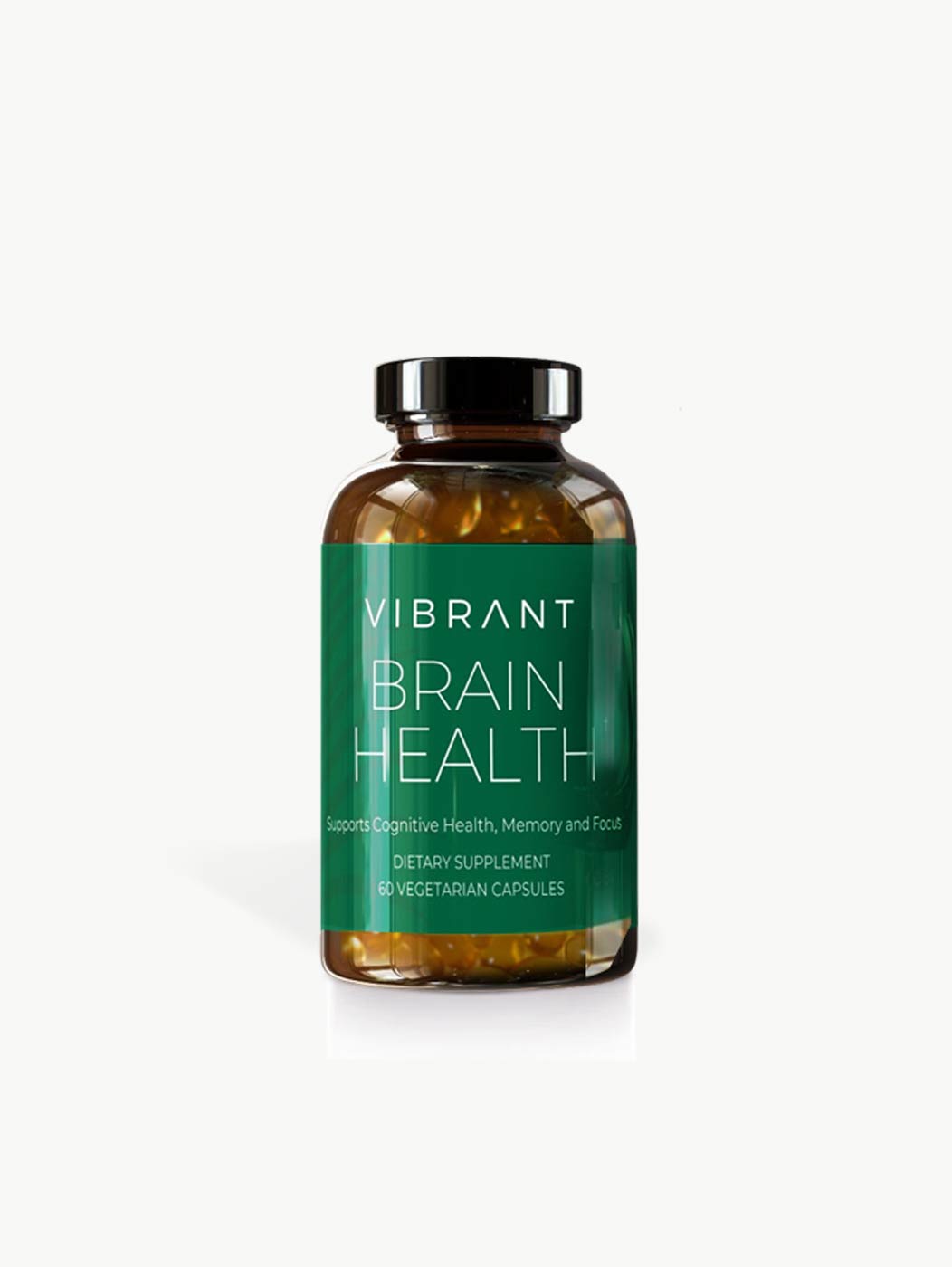
Lastly, many people believe that supplements and "brain foods" can offer a quick fix for cognitive enhancement. While certain supplements may be beneficial, they should not replace a balanced diet or healthy habits. Furthermore, the brain prosper on an overall healthy lifestyle characterized by adequate sleep, hydration, and stress management. It is crucial to focus on developing these foundational habits instead of seeking shortcuts that may not offer long-term benefits.